

Welcome to the Kidney Innovation Center
The Penn-CHOP Kidney Innovation Center exists to understand kidney disease, to predict it and to treat it. Understanding comes from genetics, human kidney biology and the mechanisms of disease; prediction from biomarkers, imaging and computational models that read a patient's data years ahead of kidney failure; treatment from therapeutic discovery, translational research and clinical trials in adults and children. The eleven research programs, the four shared cores and the workshop series are organized around these three priorities.
Our community and impact
We believe the answer comes from studying the human kidney itself, at every scale and at every age. The Center connects the laboratories that map kidney genetics and cell biology with the clinical cohorts that follow patients for decades, the biostatisticians who turn those data into evidence, and the clinicians who bring new treatments to adults and children in Philadelphia.
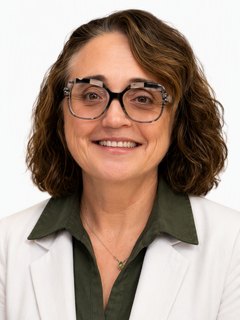
Katalin Susztak, MD, PhD
Willard and Rhoda Ware Professor of Diabetes and Metabolic Diseases, Professor of Medicine and Genetics, Perelman School of Medicine; Professor of Ped…

Michelle Denburg, MD, MSCE
Professor of Pediatrics and Epidemiology, Children's Hospital of Philadelphia and Perelman School of Medicine. Director of the Pediatric Center of Exc…
Scientific programs
Eleven programs, each with its own workshop in the 2026-27 series. All programs
Glomerular Disease
FSGS, IgA nephropathy, membranous nephropathy and the podocyte.
Kidney Cancer
New targets and new hope for renal cell carcinoma.
Artificial Intelligence and Digital Pathology
The intelligent kidney: from pixels to precision.
Cardiovascular-Kidney-Metabolic Disease
Heart, kidney and metabolism: connecting the dots.
Kidney Genetics and Genomics
Cracking the kidney code: from genes to discovery.
Kidney Development
Building the kidney: from cells to organs.
Kidney Immunology
Immunity in focus: decoding kidney inflammation.
Biomarkers and Proteomics
Reading the blood and urine for the kidney.
Kidney Imaging
Seeing the kidney without a biopsy.
Clinical Research and Implementation Science
From cohorts to care.
Kidney Transplantation
More transplants, longer-lasting grafts.
Research and innovation
Collaborative initiatives that bring investigators from both campuses together.
Diabetic kidney disease, read from the tissue
A multicenter consortium coordinated at Penn: 543 kidney biopsies from adults with diabetes, ten molecular layers and years of follow-up, with nephrology, pathology, genetics and biostatistics from both campuses and seven industry partners.
Opening transplantation to highly sensitized patients
A Phase I trial led by Ali Naji with NYU Langone and Mass General used dual CAR T-cell therapy to remove anti-donor antibodies, allowing two Penn patients to receive kidneys that had been out of reach (New England Journal of Medicine, 2026).
CKiD, PCEN and the pediatric cohorts
CHOP leads the Chronic Kidney Disease in Children study and the Pediatric Center of Excellence in Nephrology, following children for years to understand growth, the heart, cognition and progression, and running the trials that change their care.
From GWAS loci to treatable biology
Genetics, single-cell and spatial maps of the human kidney and gene-edited models together explain why kidney disease progresses and why vascular calcification is so common in CKD (European Heart Journal, Science Advances, 2026).
Shared resources
Four cores, open to every investigator at Penn and CHOP. Services and how to request them
Biostatistics Core
Jarcy Zee, PhD (Director)
The Biostatistics Core within the Penn-CHOP Kidney Innovation Center provides leadership and expertise in study design, data management and statistical analysis for research in nephrology. Affiliated faculty and research…
Kidney Genetics Core
Simone Sanna-Cherchi, MD (Director)
Simone Sanna-Cherchi is a nephrologist and human geneticist who joined Penn and CHOP from Columbia University, where he led one of the largest genetic studies of congenital anomalies of the kidney and urinary tract and o…
Biobanking and Data Core
Katalin Susztak, MD, PhD (Director)
The Biobanking and Data Core gives every investigator at Penn and CHOP a route to human kidney tissue, biofluids and linked clinical and molecular data. It coordinates five biobanking efforts across the two campuses, adu…
Pediatric Clinical Trials Core (PCEN)
Michelle Denburg, MD, MSCE and Susan Furth, MD, PhD (Directors)
The Pediatric Center of Excellence in Nephrology (PCEN) was established at the Children's Hospital of Philadelphia with NIDDK funding to promote and develop clinical trial research in pediatric nephrology. As a core of t…
News and events
Upcoming workshops
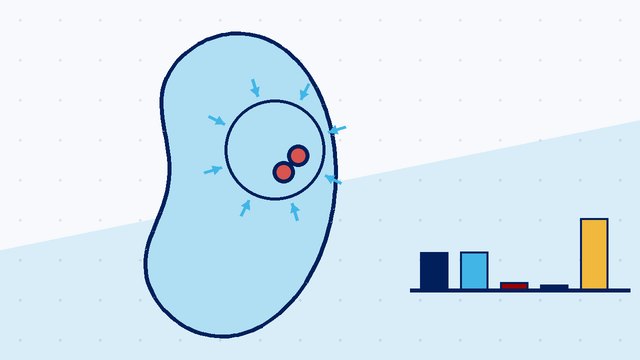
Friday, October 16, 2026 · 2 to 5 PM · Smilow 12-146
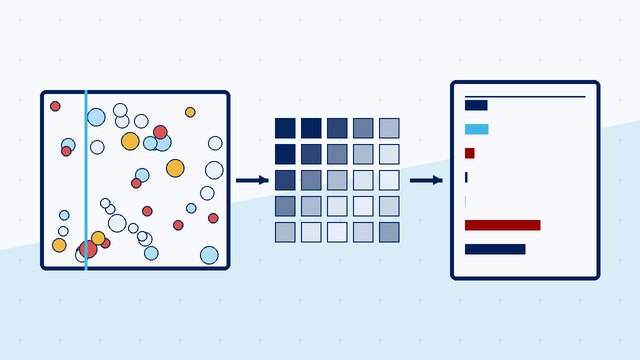
Friday, October 30, 2026 · 2 to 5 PM · Smilow 12-146
Friday, November 13, 2026 · 2 to 5 PM · Smilow 12-146
Full 2026-27 program and archive
Recent publications across the programs
Recent news
CAR T cells open the door to transplantation for highly sensitized patients
In a Phase I trial led by Ali Naji with NYU Langone and Mass General, dual CAR T-cell therapy removed anti-donor antibodies and allowed two Penn patients to receive kidneys that had been out of reach (New England Journal of Medicine).
2026-27 Workshop Series opens with glomerular disease
Gaia Coppock, Jonathan Levinsohn and Kirk Campbell opened the new series on October 2 at the Smilow Center. Next: kidney cancer on October 16.
TBX2 identified as a regulator of vascular calcification in CKD
A European Heart Journal study from the Susztak laboratory combined human kidney genetics with gene-edited mice to explain why calcification is so common in kidney disease.
The Biostatistics Core opens its intake form
Jarcy Zee and Dawei Xie lead the new Core, with eight affiliated faculty and eleven staff biostatisticians, and seed support for fellows and junior investigators.
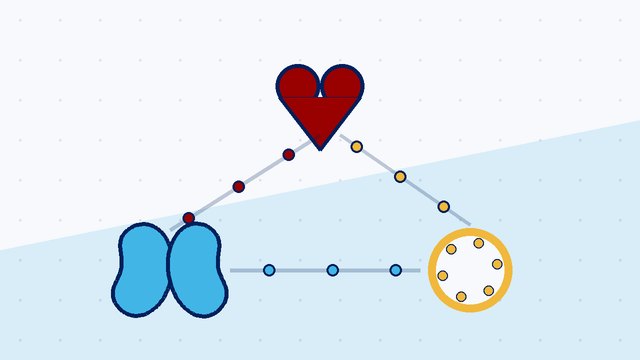
Cardiovascular-kidney-metabolic syndrome as a mitochondrial systems disorder
A Nature Reviews Nephrology perspective from Center investigators frames CKM syndrome around mitochondrial biology, the subject of the November 13 workshop.
Collaborate with us
The Center exists to make collaboration easy. Every program pairs a Penn and a CHOP perspective, every core serves both campuses, and the workshop series is where new projects are born. Here is how to work with us.
Penn and CHOP investigators
Join a research program, present at a workshop, request tissue or data from the Biobanking and Data Core, or ask the Biostatistics Core for help with a design or an analysis. Faculty, fellows and students from any department are welcome; membership is free and begins with an e-mail.
Academic collaborators elsewhere
Center investigators collaborate across the country and abroad through consortia such as TRIDENT, CRIC, NEPTUNE, CureGN and KPMP and through shared data sets. Proposals for joint studies, sample exchange under a material transfer agreement, or access to the kidney tissue biobank and its data are welcome.
Industry partners
Pharmaceutical, biotechnology and technology companies work with the Center on biomarker discovery, target validation, digital pathology and artificial intelligence, and clinical trials in adults and children. Agreements are handled through the Penn Center for Innovation and the CHOP Office of Technology Transfer.
Start a conversation: Katalin Susztak · Michelle Denburg, or write to a program lead or a core director.
Join the Center
Investigators
Faculty, fellows and students at Penn or CHOP who work on the kidney can join a program and the workshop series. Membership is free and begins with an e-mail.
Trainees
From undergraduate research to fellowship and the PERFORM-KUH consortium, with seed support and mentoring across both campuses.
Partners
Academic collaborators, consortia and industry: joint studies, sample exchange and data access under agreement.
Donors
Philanthropy funds pilot projects, fellows and the biobank. Learn where a gift makes the greatest difference.