
The Center is organized in eleven research programs. Each program has one or two leads, hosts one afternoon of the Friday workshop series, and is open to any faculty member, fellow or student at Penn or CHOP. If you would like to join a program, write to its leads or to the Center.
Glomerular Disease
FSGS, IgA nephropathy, membranous nephropathy and the podocyte.
The Penn-CHOP glomerular disease group joins the adult Glomerular Diseases Clinic, the pediatric nephrology service and the laboratories that study the podocyte. Members lead the NEPTUNE and CureGN cohorts, run clinical trials in FSGS and IgA nephropathy, and are building a pediatric and adult IgAN atlas at single-cell resolution. The group opens the 2026-27 workshop series on October 2.
Leads: Kirk N. Campbell, MD, Gaia Coppock, MD
Workshop: October 2, 2026 · program




Kidney Cancer
New targets and new hope for renal cell carcinoma.
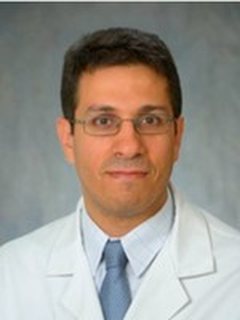
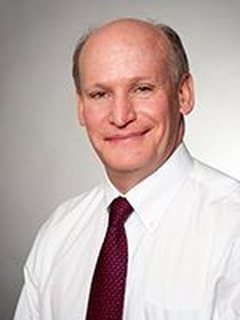
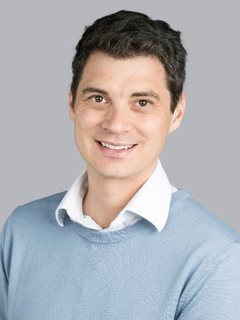
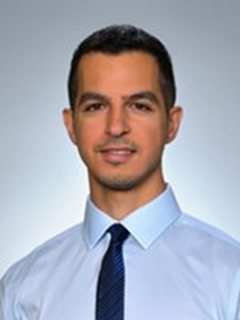
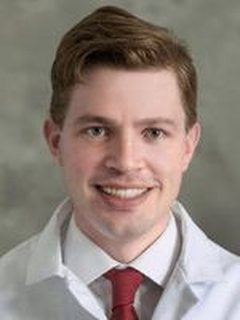
Kidney cancer is a kidney disease, and the Center treats it as one. Urologic oncologists, medical oncologists, pathologists and basic scientists who study hypoxia, metabolism and the tumor microenvironment meet in this group, together with the nephrologists who care for the kidney that remains after surgery. The group meets twice in the 2026-27 series, in October and April.
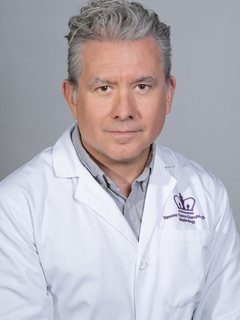
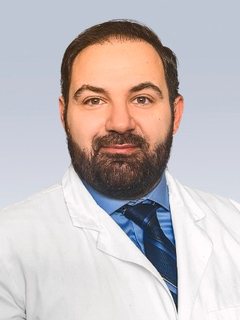
Leads: M. Celeste Simon, PhD, Naomi B. Haas, MD
Workshop: October 16, 2026 and April 16, 2027 · program





Artificial Intelligence and Digital Pathology
The intelligent kidney: from pixels to precision.
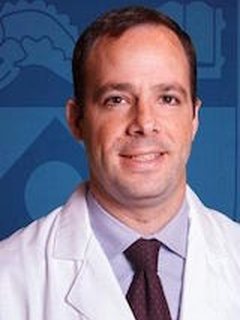
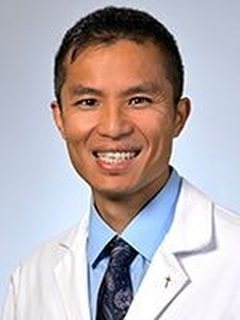
Foundation models now read kidney biopsies, single cells, genomes and clinical records together. This group brings the computational scientists who build those models together with the pathologists and clinicians who will use them. Projects include NephroLens, a pathology model that reads kidney biopsies and drafts a structured report, NephroBase, a kidney foundation model, and digital-twin models that follow a patient through time.
Leads: Parker C. Wilson, MD, PhD, Mingyao Li, PhD
Workshop: October 30, 2026 · program





Cardiovascular-Kidney-Metabolic Disease
Heart, kidney and metabolism: connecting the dots.
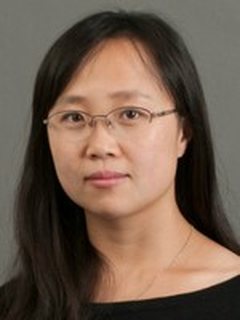
Diabetes, obesity, hypertension, heart failure and kidney disease are one syndrome seen from different clinics. The CKM group connects the Institute for Diabetes, Obesity and Metabolism, the Hypertension program, cardiology and nephrology, with the TRIDENT diabetic kidney disease cohort and the CRIC study as shared resources.
Leads: Zoltan Arany, MD, PhD, Liming Pei, PhD
Workshop: November 13, 2026 · program


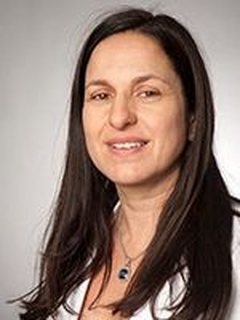

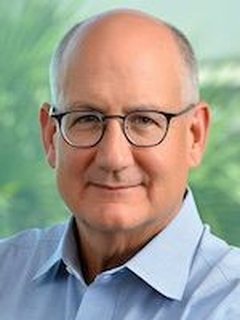


Kidney Genetics and Genomics
Cracking the kidney code: from genes to discovery.
Penn and CHOP hold some of the largest genetic resources in kidney research: the Penn Medicine BioBank, the human kidney tissue biobank with more than 5,000 samples, cohorts of children with congenital anomalies of the kidney and urinary tract, and the Kidney Genetics Core. The group maps the variants that change kidney function, the genes and cell types through which they act, and the rare variants that explain disease in individual families.
Leads: Simone Sanna-Cherchi, MD
Workshop: December 11, 2026 · program


Kidney Development
Building the kidney: from cells to organs.
How the kidney forms decides how many nephrons a person has for life. The development group studies nephron progenitors, branching morphogenesis, polycystic and congenital kidney disease and the human fetal kidney, and connects developmental biology with the pediatric nephrologists who care for the children in whom development went wrong.
Leads: Alex Hughes, PhD, Liling Wan, PhD
Workshop: January 8, 2027 · program



Kidney Immunology
Immunity in focus: decoding kidney inflammation.
Lupus nephritis, ANCA vasculitis, transplant rejection and the chronic inflammation of fibrosis share an immune language. The immunology group links the Penn Institute for Immunology and Immune Health, the rheumatologists and the CHOP immune dysregulation program with the nephrologists who treat immune-mediated kidney disease in adults and children.
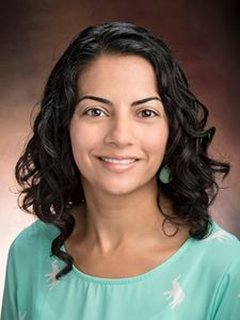
Leads: Edward M. Behrens, MD, Christopher A. Hunter, PhD
Workshop: January 22, 2027 · program




Biomarkers and Proteomics
Reading the blood and urine for the kidney.
Large-scale plasma and urine proteomics now predict kidney failure years before it happens. This group develops and validates protein and metabolite biomarkers in the CRIC, TRIDENT, PMBB and CKD Biomarker Consortium cohorts and works with the Biostatistics Core on risk scores that can enter the clinic.
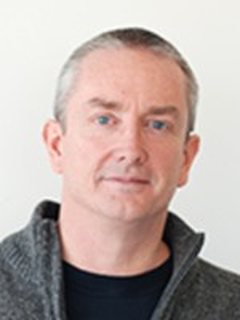
Leads: Hongzhe Li, PhD, Sarah Schrauben, MD, MSCE
Workshop: February 5, 2027 · program


Kidney Imaging
Seeing the kidney without a biopsy.
Magnetic resonance, ultrasound, optical and interventional imaging of the kidney, from the MRI of ARPKD liver and kidney disease in children to functional imaging of perfusion and fibrosis in adults, image-guided biopsy and therapy, and the quantitative image analysis that connects imaging to pathology.
Leads: Terence P. Gade, MD, PhD
Workshop: February 19, 2027 · program

Clinical Research and Implementation Science
From cohorts to care.
The clinical group runs the CRIC, CKiD, TRIDENT, NEPTUNE and CureGN cohorts at Penn and CHOP and the Pediatric Center of Excellence in Nephrology. Its implementation science arm moves what works into routine care: home dialysis access, vascular access education, mobile health interventions and critical-care nephrology.
Leads: Laura M. Dember, MD, Susan Furth, MD, PhD
Workshop: March 5, 2027 · program




Kidney Transplantation
More transplants, longer-lasting grafts.
The transplant group works on access to transplantation, paired donation and organ allocation, on rejection biology and eplet matching, and on the long-term health of the transplanted kidney and its recipient, in adults at Penn and in children at CHOP. In the CAR T trial led by Ali Naji (NCT06056102, New England Journal of Medicine, June 2026), a dual CAR T-cell therapy against memory B cells and plasma cells removed the anti-donor antibodies of highly sensitized patients and made transplants possible that had been out of reach. The group also maintains the RESORT transplant database led by Srijan Tandukar (name and scope to be confirmed).
Leads: John R. Lee, MD, MS, Sandra Amaral, MD, MHS
Workshop: April 2, 2027 · program










From our papers
Figures from recent open-access papers by Center investigators (CC BY). All publications
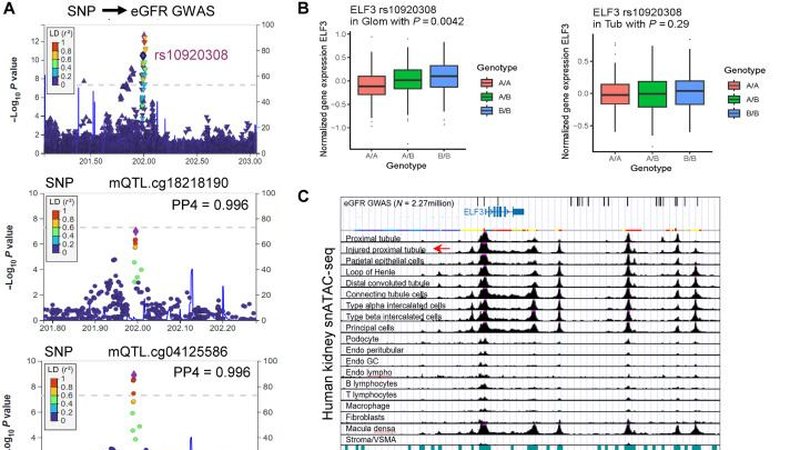
ELF3 is induced in injured tubule cells and links kidney function GWAS loci to epithelial inflammation.
Science Advances 2026 · PubMed
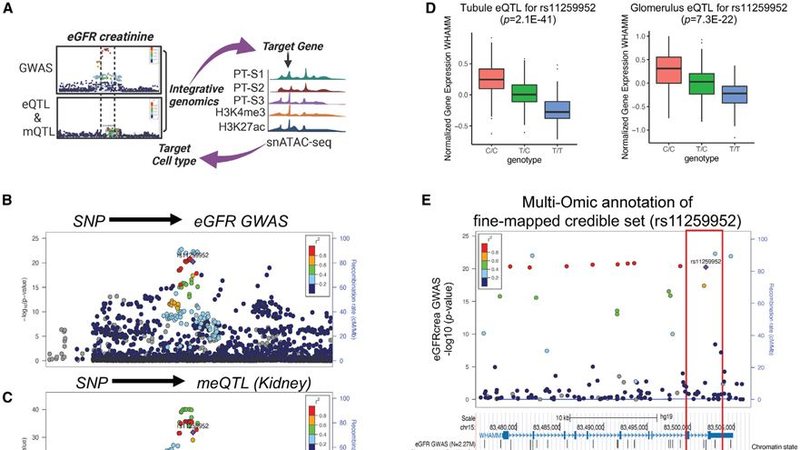
Genetic analysis prioritized WHAMM, an actin and microtubule regulator, as a kidney disease gene.
Cell Reports 2025 · PubMed
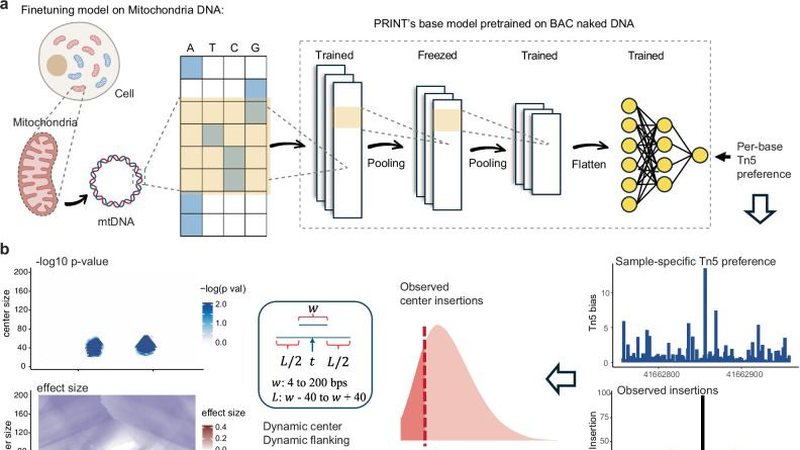
TraceBind corrects sample-specific Tn5 bias for transcription factor footprinting in bulk and single-cell ATAC-seq.
Nature Communications 2026 · PubMed
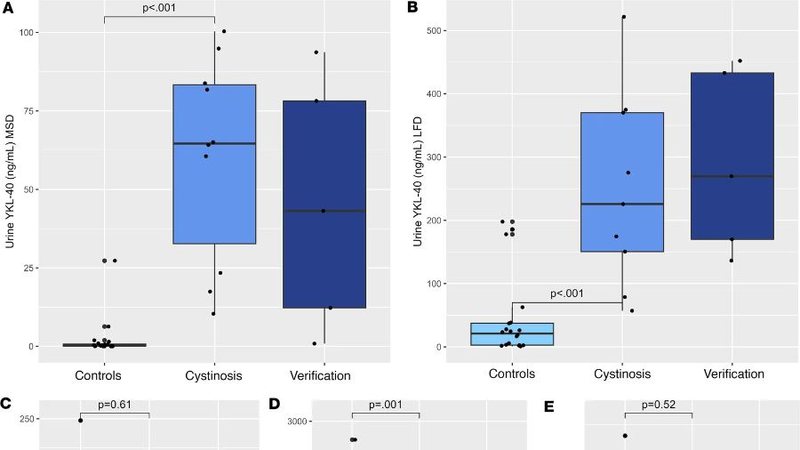
Urinary YKL-40 as a diagnostic biomarker for cystinosis in children of the CKiD cohort.
JCI Insight 2026 · PubMed
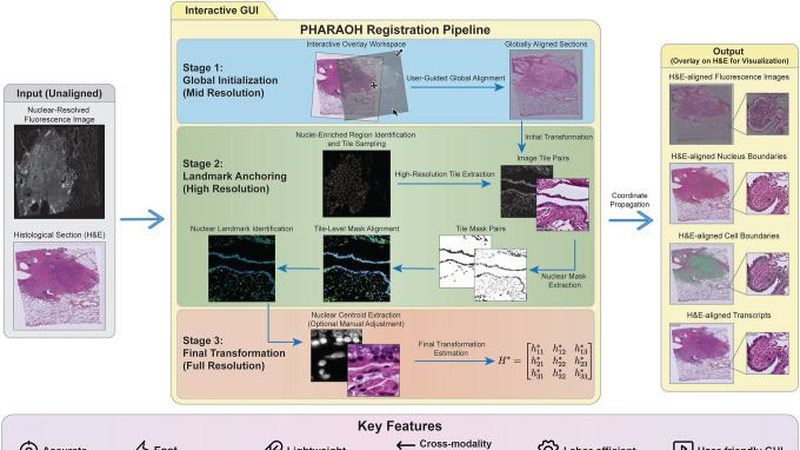
PHARAOH aligns spatial transcriptomics, multiplexed imaging and histology of the same kidney section.
Research Square 2026 (preprint) · PubMed
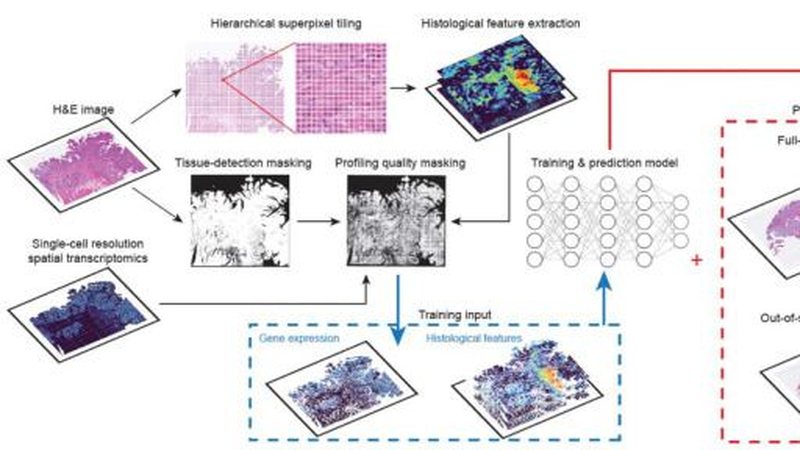
Pixel2Gene reconstructs and predicts spatial gene expression from histology.
bioRxiv 2026 (preprint) · PubMed